

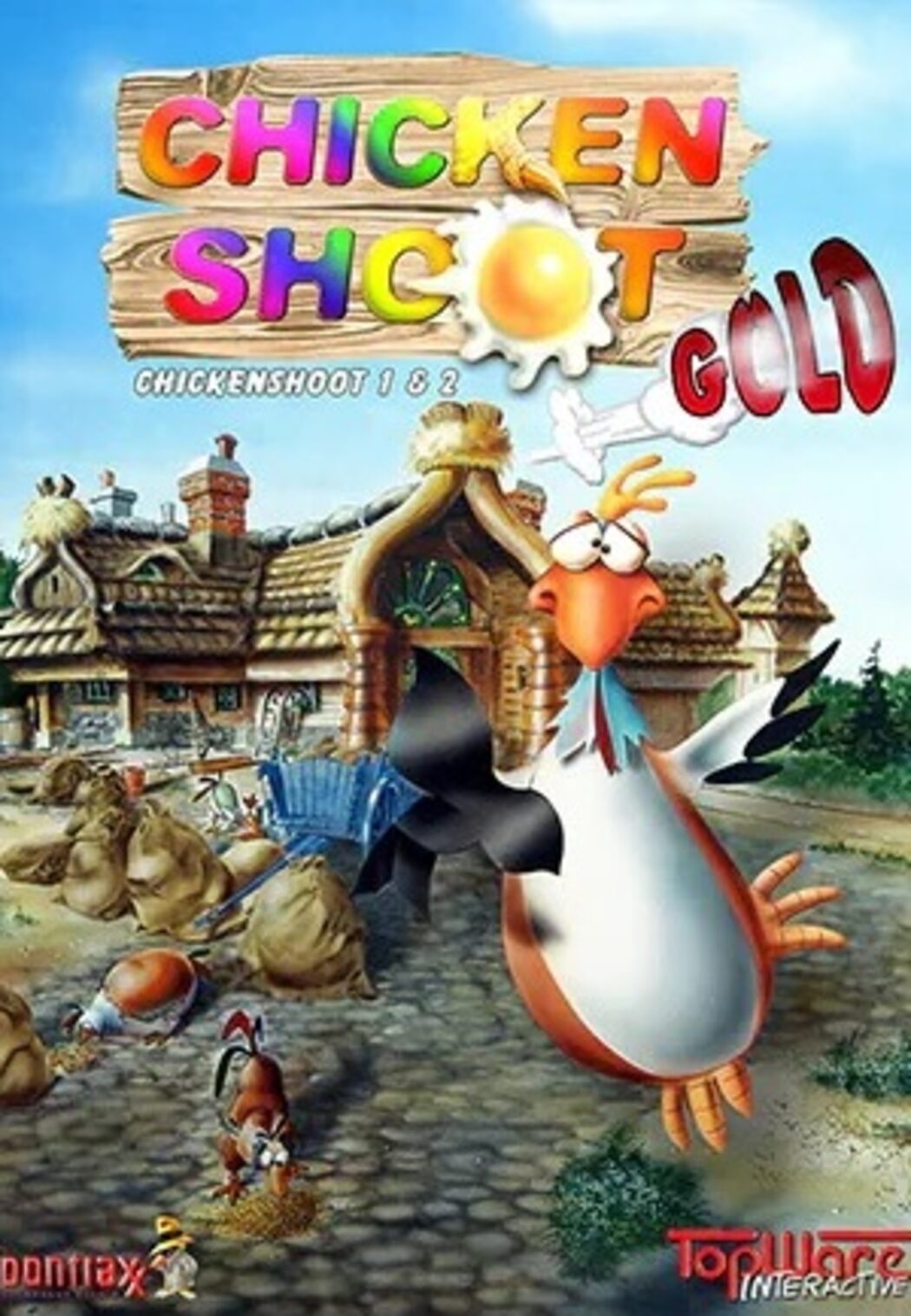
Picture a marathon where the most demanding challenge isn’t Heartbreak Hill, but shooting a digital chicken with a pixelated crosshair https://chickensshoot.com/. That’s the situation at the Marathon Running Break Chicken Shoot Game event in the UK. This new competition blends the physical grind of a 26.2-mile run with the frenzied, arcade fun of the Chicken Shoot Game. It’s a unusual, compelling mix that pulls serious runners and weekend gamers, creating a spectacle where a wobbly thumb can be as detrimental as a cramping calf.
Comprehending the Chicken Shoot Game Mechanics
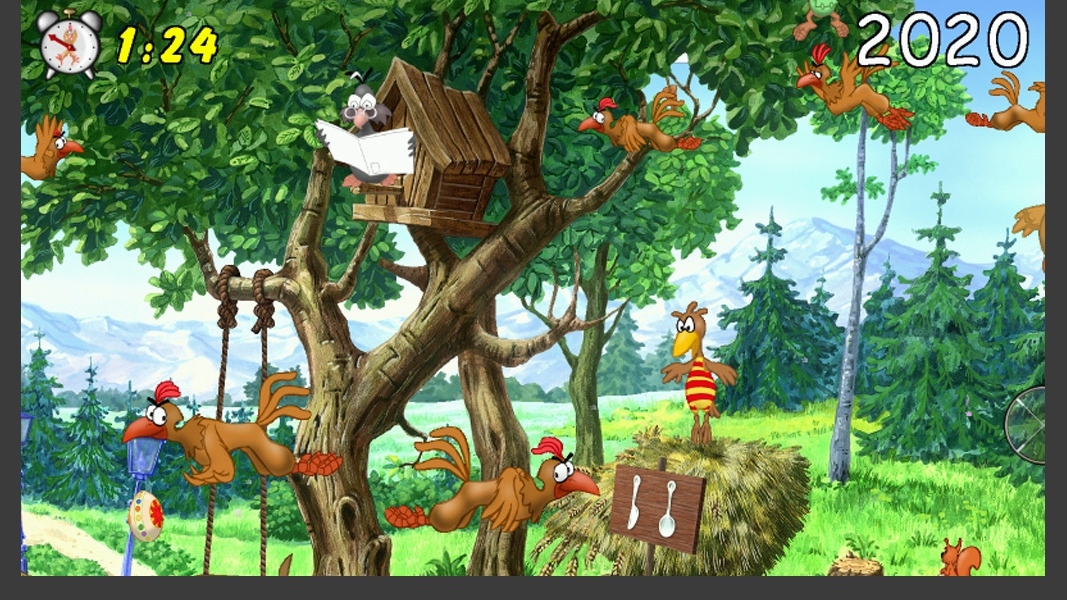
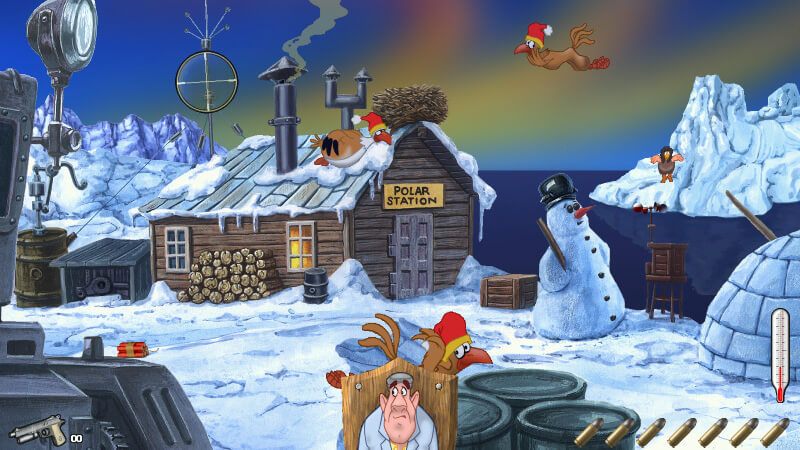
If you’ve never played it, Chicken Shoot Game is straightforward. Players shoot at chickens and other cartoon targets that scurry across the screen. It’s all about fast eyes and a quicker trigger finger. The game is bright, loud, and gratifying. For the marathon, those simple mechanics turn into serious business. Every missed chicken equals points lost, and every second lost at a console gets added to your final run time.
Central Gameplay Loop and Appeal
What makes Chicken Shoot succeed in this setting is its immediate appeal. You see a chicken, you shoot it. There’s no intricate backstory. This means a runner with jelly legs can still comprehend the task immediately after 10K of pavement pounding. The game’s silly chaos provides a genuine mental break from the monotony of the run, even if your fingers are now part of the competition.
Abilities Required for Success
Don’t mistake its simplicity for ease. To score high, you need a surgeon’s steady hand and a chess player’s calm focus, especially when the game speeds up. These are mental skills with a physical price tag—they demand fine motor control and visual sharpness. In the middle of a marathon, that’s like asking someone to do needlepoint after a boxing round. It tests your brain’s ability to ignore your body’s complaints.
Community and Societal Influence
A peculiar little community has developed around this event. You’ll see marathon club vests next to video game t-shirts. Professional runners trade tips with gaming kids. The event serves as a bridge, fostering conversations between circles that used to avoid each other. It cherishes the joy of taking on something absurdly hard and new over raw, dedicated talent. That ethos has already sparked similar combined events springing up from Germany to Japan.
Competition Layout and Marathon Integration
Here’s how the day proceeds. The marathon course has unique “Game Break” zones, typically every 10 kilometers. A runner pauses, their race clock pauses, and they face a console. They get a predetermined time or a certain level to beat. Their score, or how quickly they complete, gets determined. That score then modifies their overall race time. A gaming whiz can trim minutes off their result; a bad round can sink them. It adds a layer of strategy you won’t find at the London Marathon.
Fan Engagement and Broadcast Innovation
For the audience, it’s a blast. The Game Break zones become pulsating pit stops. Big screens show the game action live, so spectators cheer for a perfect shot as loudly as for a runner breaking the tape. The TV broadcast transitions between aerial shots of the course and tight close-ups of a runner’s face, tense with concentration as they line up a shot. It’s a sports director’s dream, merging the narrative of endurance with the instant gratification of a high score.
The Genesis of a Hybrid Sporting Concept
So, how did this idea start? The organizers noticed something simple. Runners grow weary. Gamers, sometimes, want to move. They chose to smash the two worlds together. By installing Chicken Shoot Game consoles at break points along the classic marathon route, they pioneered a new kind of race. The format forces competitors to master two different languages: the slow burn of endurance and the quick-fire grammar of an arcade cabinet.
Workout Plan for the Dual-Sport Athlete
This type of training is unconventional. Certainly, competitors still track their hundred-mile weeks. But they also clock hours on the Chicken Shoot Game, frequently right after a demanding track practice or a long run. They train playing with elevated heart rates, replicating the race-day transition. It’s normal to see them on a treadmill with a controller taped nearby, hopping off for a quick round before hopping back on. They’re creating a new breed of athlete, equally at home in sweat and screen glow.
The Next Era of Blended Sports Entertainment
This marathon is greater than a gimmick. It demonstrates people will watch and join events that match how we truly live—partly in the physical world, partly in the digital one. Organizers are already tinkering with the formula: shorter races, different games, team relays. The event is a prototype. It indicates a new path for sports, one where being a champion might mean working your thumbs as hard as your hamstrings.
Technical Core of the Event
Ensuring this run smoothly is a tech headache solved with military precision. Each Game Break station uses matching, high-end consoles and monitors to keep play balanced. The timing systems are aligned to a tiny margin of a second, shifting from race clock to game timer smoothly. Scores zip across a specialized network to update the central leaderboard live. This tech stack runs in the background, but without it, the event would fall into chaos. It’s what makes the madness credible.
The Special Hurdle for Competitors
This event demands a bizarre kind of physical prowess. It’s the abrupt change from one world to another. One minute you’re in the flow state of a long run, your mind drifting. The next, you need sharp attention on a screen while your heart is trying to punch out of your chest. Winning demands that you handle this switch not once, but several times. Can you calm your breathing and steady your aim when every muscle is urging you https://pitchbook.com/profiles/company/135285-04 to continue?
Requirements of Physical and Mental Shifts
The body dislikes changing gears so fast. Legs adapted to rhythmic pounding must suddenly stay perfectly still for precise thumb movements. Your cardiovascular system, working at a high hum, needs to settle just enough for your hands to stop shaking. Mentally, you have to contain the fatigue. You shove the ache in your quads into a back room of your brain so you can focus on the cartoon duck now filling your vision. This switch is the core of the challenge.
Tactics for Pacing and Playing
This produces fascinating dilemmas. Do you run the first 10K flat out for a lead, knowing your hands will be ineffective at the first game console? Or do you ease off, saving mental clarity for a high score, and hope to gain ground later? Every Game Break station restarts the race. A leader can drop down the rankings with a bad round. It’s a tactical duel that runs parallel to the physical one.
Email indiaclery@gmail.com with the article link and details.