
Electromagnetic interference rarely announces itself clearly. It tends to show up as unexplained system behaviour: intermittent errors, signal degradation, components that test cleanly in isolation but perform inconsistently once installed. By the time EMI or RFI is confirmed as the cause, the diagnostic process has usually already cost significant time and credibility with the people waiting for answers.
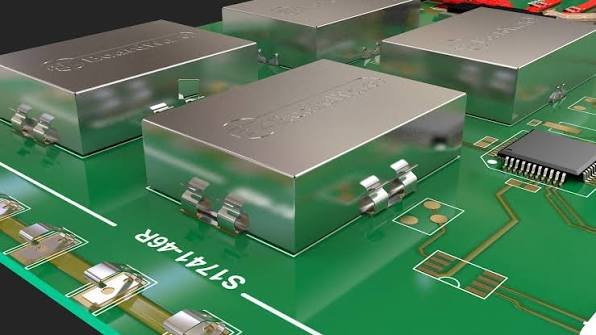
The enclosure decision often happens early in a product development cycle, sometimes before the full electromagnetic environment is properly understood. Getting it right at that stage requires treating shielding not as a passive housing choice but as an active design element. Properly specified RFI EMI metal screening enclosures address interference at the source rather than leaving it to be managed downstream through software workarounds or expensive redesigns.
What Shielding Effectiveness Actually Means
Shielding effectiveness is expressed in decibels and describes how much an enclosure attenuates electromagnetic fields, both preventing external fields from entering and containing fields generated internally. The figure that matters depends on the application. A medical monitoring device operates in a very different electromagnetic environment from industrial automation equipment, and the shielding requirements reflect that gap.
Metal enclosures perform significantly better than plastic alternatives across most frequency ranges. The specific performance depends on material choice, wall thickness, and the integrity of seams, apertures, and cable entry points. A theoretically well-specified enclosure can perform well below expectation if joints are poorly fitted or gaskets are inadequate, because electromagnetic energy finds discontinuities efficiently and exploits them.
Material Choice Is Not Straightforward
Steel offers good shielding effectiveness across a broad frequency range and is cost-effective for a wide range of applications. Aluminium is lighter and performs well at higher frequencies, which matters increasingly as operating frequencies rise in modern electronics. Where magnetic field shielding is the primary concern rather than electric fields or RF attenuation, material selection becomes more nuanced and high-permeability alloys may need to be considered.
Finish matters too. Conductive surface treatments maintain electrical continuity across the enclosure in ways that standard painted or anodised finishes do not reliably achieve without additional treatment. For enclosures that need to meet specific EMC standards, this level of detail in specification is not optional.
The Aperture Problem
Every opening in an enclosure is a potential compromise. Ventilation slots, connector cutouts, display windows, cable glands: all of these interrupt the continuous conductive surface that makes shielding effective. Managing apertures well is one of the more practically demanding aspects of enclosure design, and it is where the difference between a manufacturer with genuine application knowledge and one producing generic boxes becomes apparent.
Solutions exist, including honeycomb ventilation panels, conductive mesh over display apertures, filtered connector inserts, and purpose-designed gasket systems. They need to be incorporated at the design stage rather than retrofitted later, which is a more expensive and less effective route.
Standards and Compliance
Most sectors requiring shielded enclosures also require demonstrable compliance with specific EMC standards. The UK regulatory landscape has evolved since Brexit, and products moving between GB and EU markets face additional considerations that were not relevant when everything sat under a single framework. Working with a supplier that understands compliance alongside manufacturing saves considerable time when it comes to testing and documentation.
Getting the Specification Right Before Ordering
The most expensive approach to enclosure selection is choosing on price, discovering a performance shortfall during testing, and returning to redesign. The conversation with a specialist supplier about operating frequency, the electromagnetic environment, thermal management, and regulatory requirements adds time at the front end and saves considerably more later. Engineers who have been through the alternative once rarely skip that conversation again.
