Ask anyone who has watched a parent through a long hospital stay and they’ll tell you the same thing. The illness was hard enough, but the bills made it worse. For older people in India, health costs tend to climb at exactly the point when regular income stops. India is also getting older quickly, with people over 60 expected to make up about a fifth of the population by 2050. That makes health cover for seniors less of an optional extra and more of a basic need.
Health Costs Rise Just as Income Falls
Most people retire somewhere around 60. After that, money usually comes from a pension, savings, rent, or support from children. None of these grow much, if at all. Medical expenses go the other way. Regular medicines, follow ups, tests, and the odd procedure become part of life for many people in their sixties and seventies, and hospital prices keep rising every year. Without cover, a single bad month can undo years of careful saving.
Why Aren’t Savings Enough?
They can be, for small expenses. The problem is the big ones. A bypass surgery, a knee replacement, or a few days in an ICU at a private hospital can easily run into several lakhs. Paying for that out of a retirement fund leaves much less for everything else, and there’s no salary coming in to rebuild it. Many families end up breaking fixed deposits, selling gold, or borrowing. A policy turns that kind of shock into a manageable yearly premium.
Older Bodies, Longer Hospital Stays
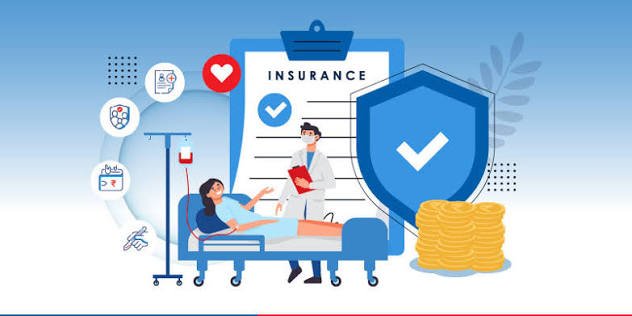
It’s simply true that recovery takes longer as we age. An infection that a 30 year old shakes off in two days might keep a 75 year old in the hospital for a week. Older patients also tend to have more than one condition at a time, such as diabetes alongside heart trouble, which makes treatment more complex and more expensive. Insurance that covers the stay, the tests before admission, and the follow up visits afterward takes a lot of that weight off.
What Happens When Work Cover Ends?
Plenty of people spend their whole working life covered under an employer’s group policy and never buy one of their own. Then they retire, and the cover stops on the last day. Buying a fresh policy at 60 or 65 means higher premiums and new waiting periods. If you’re still working, getting a personal health insurance plan in place well before retirement is one of the most useful things you can do for your later years.
Plans Built Around Older Age
A health plan for senior citizens is designed with the needs of older people in mind. These plans usually cover pre-existing conditions after a waiting period, along with day care procedures like cataract surgery or dialysis that are common at this age. Some include home treatment, annual health checkups, or teleconsultations. Many also come with a co-payment, so the family shares a small part of each claim, which helps keep the premium affordable.
Is It Too Late to Buy After 65?
No. Insurers used to have an upper age limit, often 65, for new policies. IRDAI removed that limit in 2024, so people can now buy cover at any age. Older applicants may need a medical checkup first, and they’ll usually wait a while before an existing condition is covered. The maximum waiting period for pre-existing conditions is now three years. Buying sooner still helps, since that clock only starts once the policy begins.
Protection Against Sudden Premium Jumps
A common worry is that premiums will rise so much that seniors can’t keep up. Two rules help here. Renewal is guaranteed for life, so an insurer can’t refuse to renew a policy because the person has made claims. And in early 2025, IRDAI told insurers not to raise premiums for senior citizens by more than 10% a year without first consulting the regulator.
Does Ayushman Bharat Replace Private Cover?
For many families, it’s an important safety net. From late 2024, everyone aged 70 and above can get Ayushman Bharat PM-JAY cover of up to ₹5 lakh a year, whatever their income. But the scheme works through a set list of hospitals and has its own rules on what’s covered, so many families still keep a private policy for a wider choice of hospitals and benefits.
Tax Relief for Seniors and Their Children
Premiums for senior citizens qualify for a deduction of up to ₹50,000 a year under Section 80D, for those filing under the old tax regime. The deduction can be claimed by the senior paying for their own cover, or by a child paying for a parent. If a senior has no insurance at all, medical expenses up to the same limit can be claimed instead.
Peace of Mind for the Whole Family
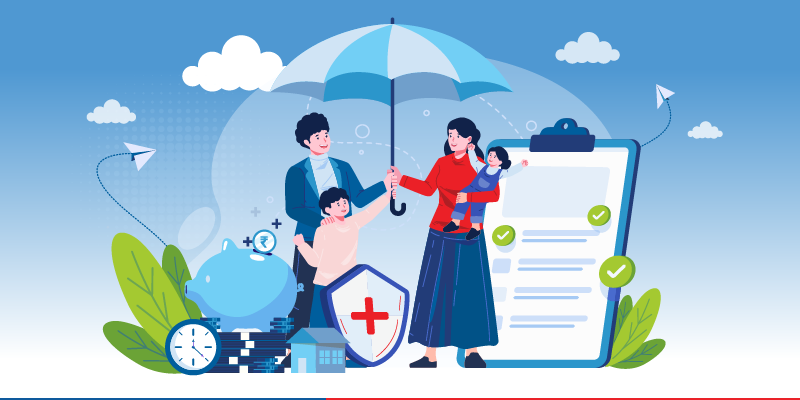
Good health cover lets older people get treatment without worrying about being a burden on their children. It also lets children support their parents without draining their own savings. Whether you’re buying for yourself or for your parents, the best time to do it is before it’s needed. A little planning now spares everyone a lot of worry later.
Email indiaclery@gmail.com with the article link and details.