Medical emergencies don’t give notice. A road accident, a cardiac episode or a sudden high fever in an elderly parent can mean a hospital admission within the hour, and the first question at the counter is often about money. When you’re already frightened, being asked for a large deposit adds a second crisis to the first. Cashless treatment is meant to ease that pressure, provided you know how it works in an emergency.
Why the First Few Hours Are the Hardest
Emergency admissions are expensive from the start. Intensive care, scans and urgent procedures can run up a large bill quickly, and private hospitals commonly ask for an advance before or soon after admission. Decisions about treatment have to be made quickly, often before anyone has had time to check what the policy covers.
If your savings are in fixed deposits or mutual funds, you may not be able to reach them fast enough. Families often end up using credit cards or borrowing at short notice. Even when the insurer pays later, that scramble in the first few hours is where much of the financial stress begins.
How Cashless Changes That Moment
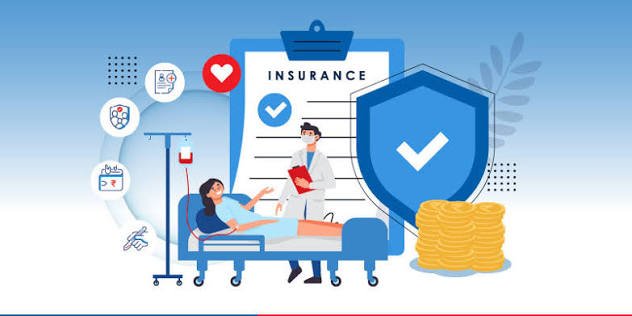
If you hold health insurance and the hospital is in your insurer’s network, the hospital’s insurance desk can send a cashless request soon after admission. IRDAI’s 2024 master circular requires insurers to decide on cashless authorisation requests immediately, and in any case within one hour.
Once a request is approved, the hospital can proceed against the authorised amount rather than waiting for you to arrange the full cost. Some hospitals may still take a small deposit to cover items the policy won’t pay for, but the large covered portion no longer has to come from your account first.
What You Still Pay For
A cashless health insurance claim covers only what your policy allows. Items like non-medical consumables, a co-payment, charges above a sub-limit or deductions linked to a higher room category remain your responsibility at discharge.
The sum insured also remains a ceiling. If a long ICU stay uses up your cover, the hospital will ask you to pay the balance. That’s one reason to keep an emergency fund even if you’re well insured, so the remaining costs don’t push you into high-interest borrowing.
Ambulance and Pre-Hospital Costs
Getting to hospital is part of the emergency. Many policies pay road ambulance charges up to a stated limit for each hospitalisation, and some include air ambulance cover under stricter conditions. These are often claimed as reimbursement unless the hospital includes them in its bill.
Expenses before admission, such as tests done in the hours or days leading up to it, may also be claimable for a set number of days if they relate to the same illness. Keep every receipt, even the small ones, because they add up.
When the Nearest Hospital Isn’t in the Network
In an emergency, you go to the nearest suitable hospital, network or not. If it isn’t in your insurer’s network, cashless may still be possible under the General Insurance Council’s Cashless Everywhere initiative, as long as you inform the insurer within 48 hours of admission and the hospital accepts the insurer’s terms.
That route isn’t guaranteed. If cashless isn’t available, you’ll pay the hospital and claim reimbursement afterwards with the original bills, discharge summary, reports and prescriptions. Keeping every document from day one makes that claim far easier.
Exclusions and Conditions That Still Apply
An emergency doesn’t override your policy terms. Treatment for a pre-existing disease still within its waiting period, conditions that are specifically excluded and injuries linked to alcohol or drug use are generally not covered, cashless or otherwise.
Delays in informing the insurer can also cause trouble. Most policies set a time limit for notifying an emergency admission, and missing it may complicate or slow your claim. Accurate information matters too. If details given at admission don’t match medical records, the insurer may query the claim.
What Your Family Should Know in Advance
In an emergency, the person handling the hospital desk may not be you. Make sure a family member knows your insurer’s name, your policy number and where to find your health card, ideally saved on their phone as well as yours. Keeping a copy of your policy document and recent medical reports in a shared folder also helps the hospital get an accurate history from the start.
Note the network hospitals nearest your home and workplace before anything happens. Many insurers list them on their app or website, and knowing which ones are covered can save valuable time in deciding where to go.
Choosing Cover With Emergencies in Mind
When you compare policies, look closely at network hospitals with good emergency and intensive care facilities near you. Check room rent rules, ICU limits, co-payments and how the policy treats ambulance charges, as these vary considerably between plans.
Read the policy wording and the Customer Information Sheet before buying or renewing, and disclose your medical history fully. A claim that’s clear from the start is the one most likely to move quickly when every hour counts.
Cashless treatment can’t take the fear out of an emergency, but it can take a lot of the money pressure off. A little preparation now helps your family use it well when the moment comes.
Email indiaclery@gmail.com with the article link and details.