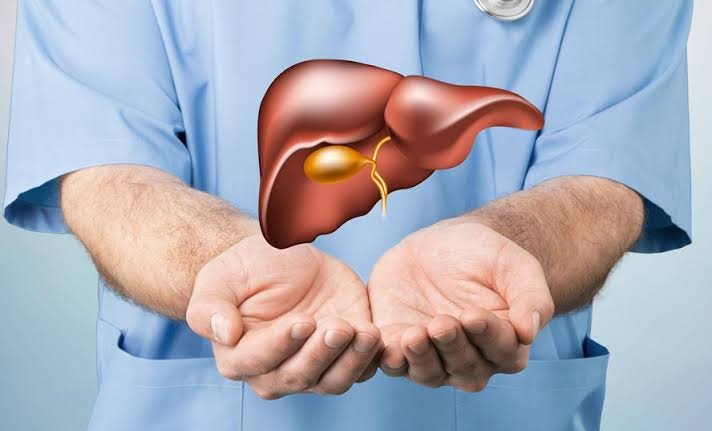
Not every liver problem ends in surgery. Most don’t. But there’s a point for some patients where transplant stops being one option on a list and turns into the only thing left that works. How do doctors even know when someone’s reached that point?
Here’s a number worth sitting with: in 2021, India lost more people to cirrhosis and chronic liver disease than any other country did. That’s according to Global Burden of Disease data.
It’s not a small statistic either, and it explains a lot about why liver cirrhosis treatment comes up in conversations with families years before anyone expected it to.
What Damages the Liver Over Time?
People are usually surprised at how many directions liver damage can come from. And the liver doesn’t complain much until things have already gone pretty far. Some of the usual suspects:
- Long-term alcohol use
- Fatty liver
- Chronic hepatitis B or C
- Autoimmune liver conditions
- Genetic disorders like Wilson’s disease
- Bile duct diseases that block normal drainage
Alcohol still tops the list as the single biggest driver of cirrhosis among Indian patients. It’s behind roughly 43% of adult cases, per a nationwide meta-analysis of Indian cirrhosis patients.
What Symptoms Should Worry You?
Early liver damage plays it quiet. You could be carrying real scarring and still feel more or less normal. Keep an eye out for these as things move along:
- Fatigue that rest just doesn’t fix
- Yellowing skin or eyes, what doctors call jaundice
- Swelling in the belly or legs
- Bruising or bleeding more than usual
- Confusion, or forgetting things that used to be easy
- Appetite dropping off, weight going with it
Noticing a few of these together? Don’t wait for them to pass on their own. See a doctor rather than assuming that the situation will resolve itself.
What Are the Criteria for Needing a Transplant?
The idea might seem complicated until explained by an expert, but once understood, the criteria are quite clear. You will mostly undergo a Model for End-Stage Liver Disease (MELD) test.
You must know the following to understand what its numbers mean:
| MELD Score | What it Usually Means |
| Below 15 | Liver disease is present but usually managed with medication and lifestyle changes |
| 15 to 20 | Transplant evaluation typically begins |
| Above 20 | Higher priority for transplant, since risk of complications rises sharply |
A high MELD score isn’t the whole story either. Some other scenarios in which the doctor advises the patient about the need for a transplant include liver cancer that is localized only in the liver, acute liver failure, and recurring problems like ascites or variceal bleeding. In other words, the doctor will advise a transplant whenever the liver stops performing its function.
What Comes Before Transplant: Managing Cirrhosis Day to Day
Cirrhosis on its own doesn’t mean transplant is coming. Many patients live for years on a solid care plan. That usually looks like:
- Medication targeting the underlying cause, antivirals for hepatitis, for instance
- Cutting out alcohol entirely if that’s the cause
- Diuretics to keep fluid buildup in check
- Diet changes, mainly cutting salt
- Routine blood work and imaging to track things
- Endoscopy to catch and treat swollen veins in the esophagus early
The point of all this is slowing the damage and catching complications before they spiral, ideally long before transplant ever enters the conversation. Plenty of patients stay stable for years this way, especially once the root cause gets treated fast.
How Is Liver Damage Actually Diagnosed?
Diagnosis is generally a combination of:
- Blood tests for liver enzymes, bilirubin, and clotting function
- Ultrasound or FibroScan
- CT or MRI scans when more detail is needed
- Liver biopsy, though only in cases where the cause isn’t clear
The good news is, most of this happens without an overnight hospital stay, which takes a lot of pressure off families dreading a long testing ordeal. Once there’s a clear diagnosis, your doctor can build out a liver cirrhosis treatment plan matched to exactly where things stand.
What People Get Wrong About Liver Transplants
- A transplant doesn’t mean starting from zero with a brand new organ. More often it’s just a section of liver, usually from a living donor, and the liver regenerates so both people end up with a functioning organ within months.
- It’s also not just heavy drinkers who end up here. Fatty liver disease, hepatitis, and genetic conditions are sending just as many patients toward transplant these days.
- Medication doesn’t shut the door on surgery either, if that’s what you were hoping. It can slow the disease, sure, but it can’t reverse cirrhosis once it’s advanced. Some patients do everything by the book and still see it progress. That’s just how this disease can behave.
- Recovery isn’t the years-long ordeal many people picture. Most patients are living something close to their normal life again within three to six months. Lifelong medication does come with the territory; daily life mostly returns to normal.
When Should You See a Liver Specialist in Mumbai?
Don’t sit around waiting for an emergency to force your hand. Ongoing fatigue, jaundice you can’t explain away, swelling in the abdomen, or an old hepatitis, fatty liver, or cirrhosis diagnosis you haven’t revisited lately- any of these is reason enough to see a liver specialist in Mumbai. Getting there sooner rather than later tends to leave more doors open on the treatment side.
Getting the Right Care Early Makes All the Difference
A liver transplant seems to be the scariest part of all this, but for the appropriate patients, this is what gives their lives back to them. It is best that the problem is detected in its early stages and the decision regarding transplant is made well in advance rather than when you wind up in the ER.
If you have any liver problems, consulting a liver specialist in Mumbai can help you get in the right direction. An experienced group of hepatologists and transplant surgeons will help you every step of the way, from diagnostics to cirrhosis management and even transplant.
Email indiaclery@gmail.com with the article link and details.