
Okay, so check this out—I’ve been poking around Solana wallets for a minute, and one thing keeps popping up: usability gaps. Wow! Using wallets still feels like early-stage internet for some people. At the same time, the network moves fast and the UX possibilities are huge, so it’s a weird mix of thrilling and messy.
My first impression was simple: browser-based access lowers friction. Seriously? Yes. A web wallet removes the extension-install barrier for casual users, especially on machines where adding extensions is restricted or on mobile browsers where extensions are awkward. But hold up—security questions immediately follow. Initially I thought a web wallet would just trade security for convenience, but then I realized there are sane designs that make web wallets both safe and approachable without being overbearing.
Here’s the thing. For people coming from Web2, seeing a wallet open directly in the browser window is familiar. It feels like logging into any app. Hmm… that familiarity matters. User retention goes up. Adoption goes up. On the other hand, if you open the door to convenience and don’t think about signing, phishing, and backup flows, you open the door to trouble too.
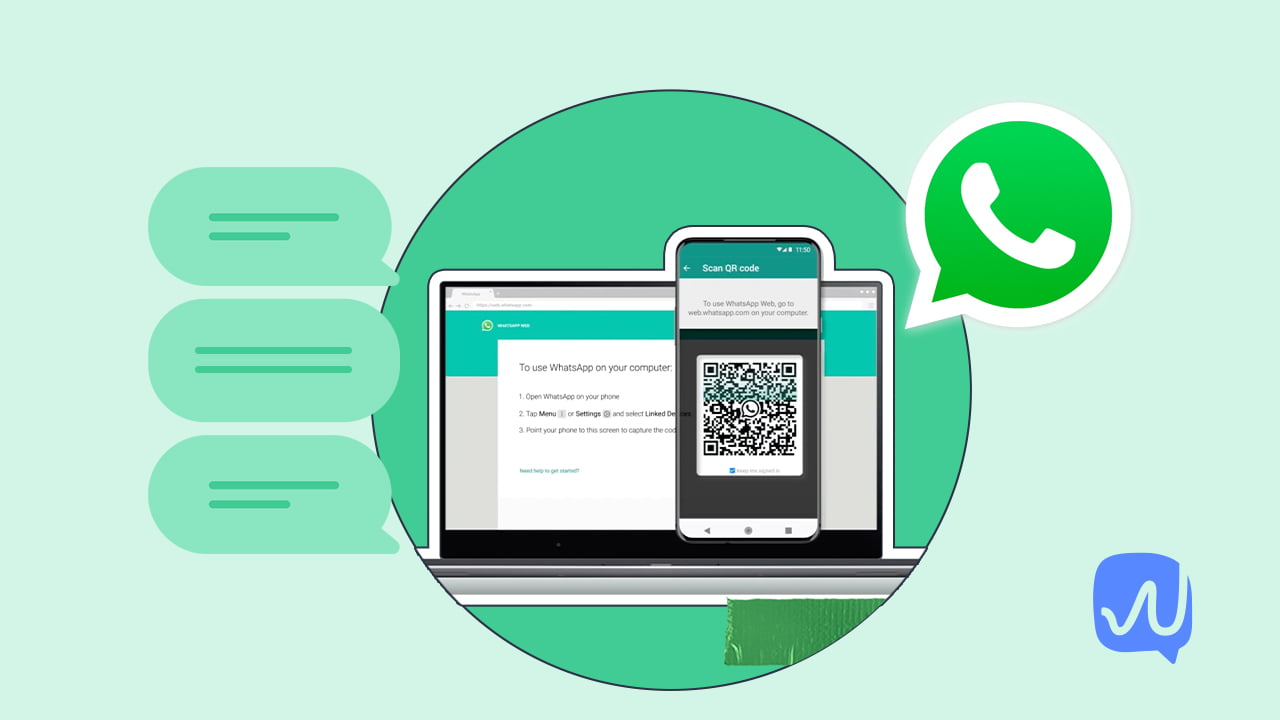
A quick breakdown: web wallet, dApps, staking — how they fit together
Short version: the web wallet sits between you and the dApp. It authenticates, signs transactions, and—if it’s built well—lets you interact with DeFi, NFTs, and staking without a steep learning curve. But that’s the high level. More nuanced: wallets need to manage key custody (local keys, encrypted backups), connect safely to dApps, and present staking options with clear tradeoffs. Something felt off about a lot of wallet UIs I tested — they hide validator fees or make delegation confusing — so UX matters here, very very important.
Connecting a web wallet to a Solana dApp should be a three-step feeling: confirm connection, review what the dApp requests, and approve or reject. Short, clear. For more advanced flows, like staking or interacting with Serum-style orderbooks, the wallet should surface what changes, who pays fees, and any risks. My instinct said users often skim confirmations — so design must be explicit.
Why I think a web-based Phantom experience is compelling
First: discoverability. People can land on a project site and connect immediately. That reduces drop-off. Second: cross-device continuity. If the web wallet supports account recovery and sync (securely), users can move between work laptop and phone without an extension. Third: onboarding—tutorials, in-line help, and contextual hints are easier on the web.
Okay, caveat time—security tradeoffs remain. Web apps face phishing risks. On one hand, a browser tab can be cloned by a bad actor. On the other hand, hardware keys and mnemonic-based recovery still work fine with careful design. So actually, wait—let me rephrase that: the web wallet needs to combine in-browser convenience with visible signs of security and optional hardware key support. That mix is what makes it viable for everyday use.
Oh, and if you want a smooth first touchpoint with Phantom, try their web entry—if you haven’t already—because it nails the balance of simple flow and clear actions. You can find a direct link to the phantom wallet there, which is handy when you’re testing dApps or staking SOL for the first time.
Using Solana dApps through a web wallet
Interaction patterns on Solana dApps are mostly standard: connect, sign, and confirm. But developers often expect users to understand nonce, blocks, or transaction fees—most users don’t. So the web wallet should translate blockchain jargon into plain English. (This part bugs me.)
For example, when a dApp requests a signature, the wallet UI can show: “This action will swap X tokens” or “This will delegate your stake for 30 days” rather than a raw list of instructions. Reaction: Whoa! That’s the kind of clarity that stops people from making dumb mistakes.
Another practical note: wallet providers should expose session controls—expire a session, view active dApp connections, and revoke them. That’s basic hygiene but very rarely obvious. I noticed many users forget to disconnect from test sites and then the next day they’re surprised at a pop-up.
Staking SOL via a web wallet — what to expect
Staking on Solana is straightforward relative to other networks. You delegate SOL to a validator and earn rewards as the network processes transactions. Boom—passive yield without custodial risk, provided you control your keys. But the UX around undelegation and lock periods needs emphasis. There is an epoch delay on rewards and some cooldown times for deactivation, and users should see that timeline in the UI.
Delegation flows should show three clear things: validator performance history (uptime, commission), reward rate examples, and how to undelegate. On the analytic side, you want to know historical commission changes and slashing policy (slashing is rare on Solana but mention it), though actually most users just want clear expected APY numbers and a one-click delegate button.
One more tip: consider splitting staking advice into two lanes—beginner and advanced. Beginners need hand-holding. Advanced users want granular control: custom stake accounts, re-delegation, and epoch-based reporting.
Security and best practices for web wallet users
Short checklist: back up your seed, use hardware keys for high balances, verify domains before connecting, and review the exact permissions a dApp requests. Really. It sounds obvious. But people skip the checkboxes.
Also, browsers can store credentials insecurely if you let them. A proper web wallet minimizes secrets in plain storage, uses secure enclaves where available, and offers optional 2FA for wallet management (not for on-chain signing, which can’t be 2FA in the same way). These are technical tradeoffs; on one hand you ease access, though actually you must not varnish over the security limits.
I’m biased toward wallets that give visible, auditable transaction details and make recovery simple but secure. Somethin’ about a clean backup flow wins me over every time.
Developer perspective: integrating with web wallets
For dApp devs, support for web wallets means supporting the same APIs extensions use—session-based connections, request/response signing, and clean error messaging. Test with slow connections and simulated user mistakes. People will cancel mid-flow. They will close tabs. Design for that.
And one practical note: instrument your UI to describe both success and failure states in terms the user understands. Why did my swap fail? Why is my stake pending? That builds trust, and trust drives repeat engagement.
FAQ — quick answers
Is a web wallet less secure than a browser extension?
Not inherently. Security depends on implementation. A well-designed web wallet that uses encrypted local key storage, hardware key support, and clear phishing protections can be as safe as an extension, while being more accessible. However, extra caution is needed around domain verification and session management.
Can I stake SOL from a web wallet?
Yes. Most modern web wallets let you delegate SOL to validators, view reward history, and undelegate. Expect simple flows for beginners and advanced settings for power users. Check validator performance and commission before delegating.
What should I watch out for when connecting to dApps?
Look at the requested permissions, check the domain, and confirm transaction details. Revoke access to dApps you no longer use. If something looks odd, pause and verify on a separate device or use a hardware key for signing.
Alright—so where does that leave us? I’m optimistic. A polished web version of Phantom (or any wallet that respects UX and security) can lower the barrier to Solana for millions of people. There’s still work to do—clearer staking UX, better validator transparency, and stronger anti-phishing cues—but the building blocks are here. I’m not 100% sure how fast mainstream adoption will happen, but the pieces feel like they could fit together if teams keep shipping thoughtfully.
